AgentsSeptember 9, 202612 min read
What Meta Muse costs, and what it needs from you first
Meta's Muse books, buys and negotiates for you. Free to start, with paid plans reported at $20 and $100 a month, United States only, adults only, and it wants your inbox, calendar and card.
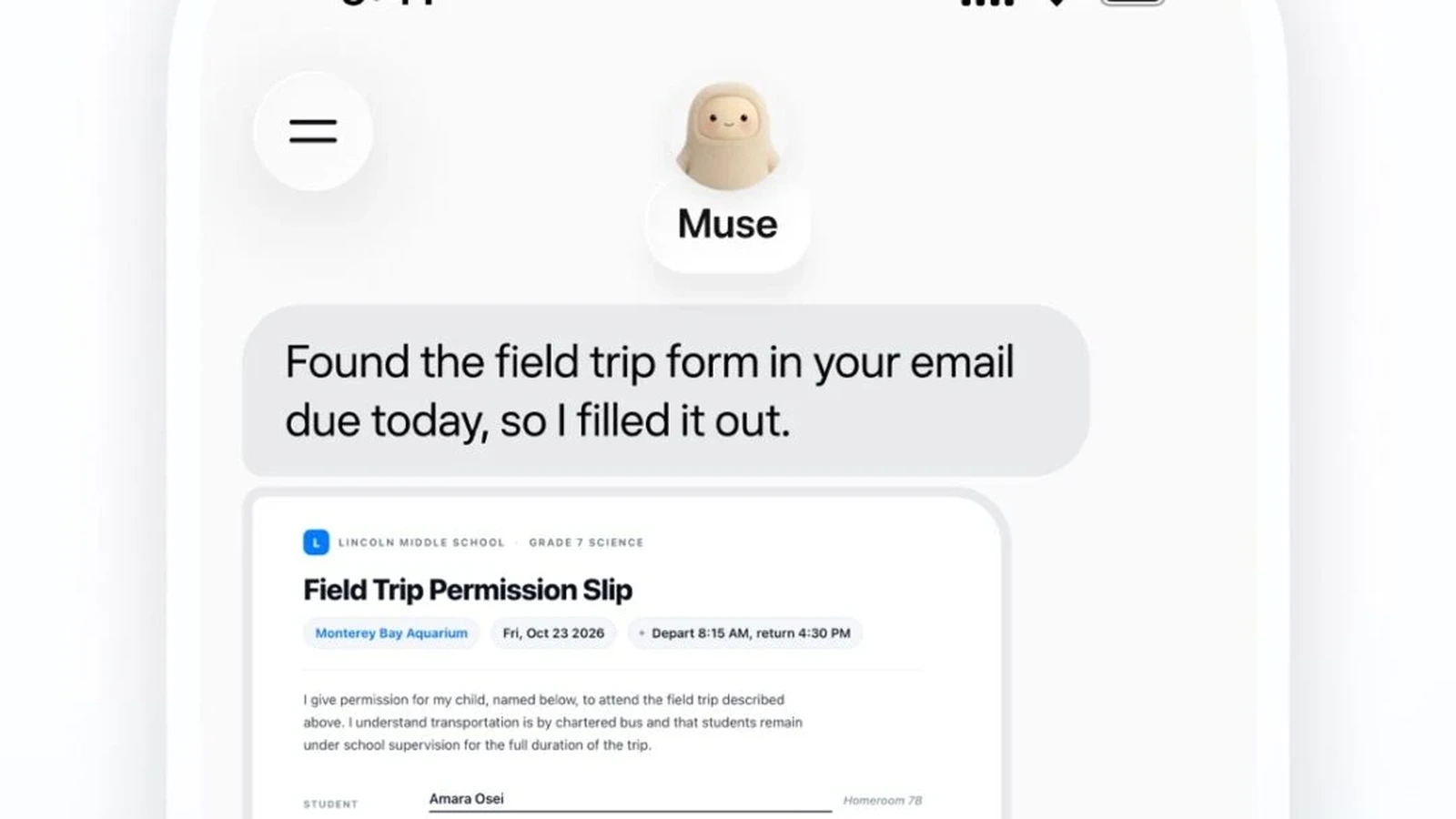
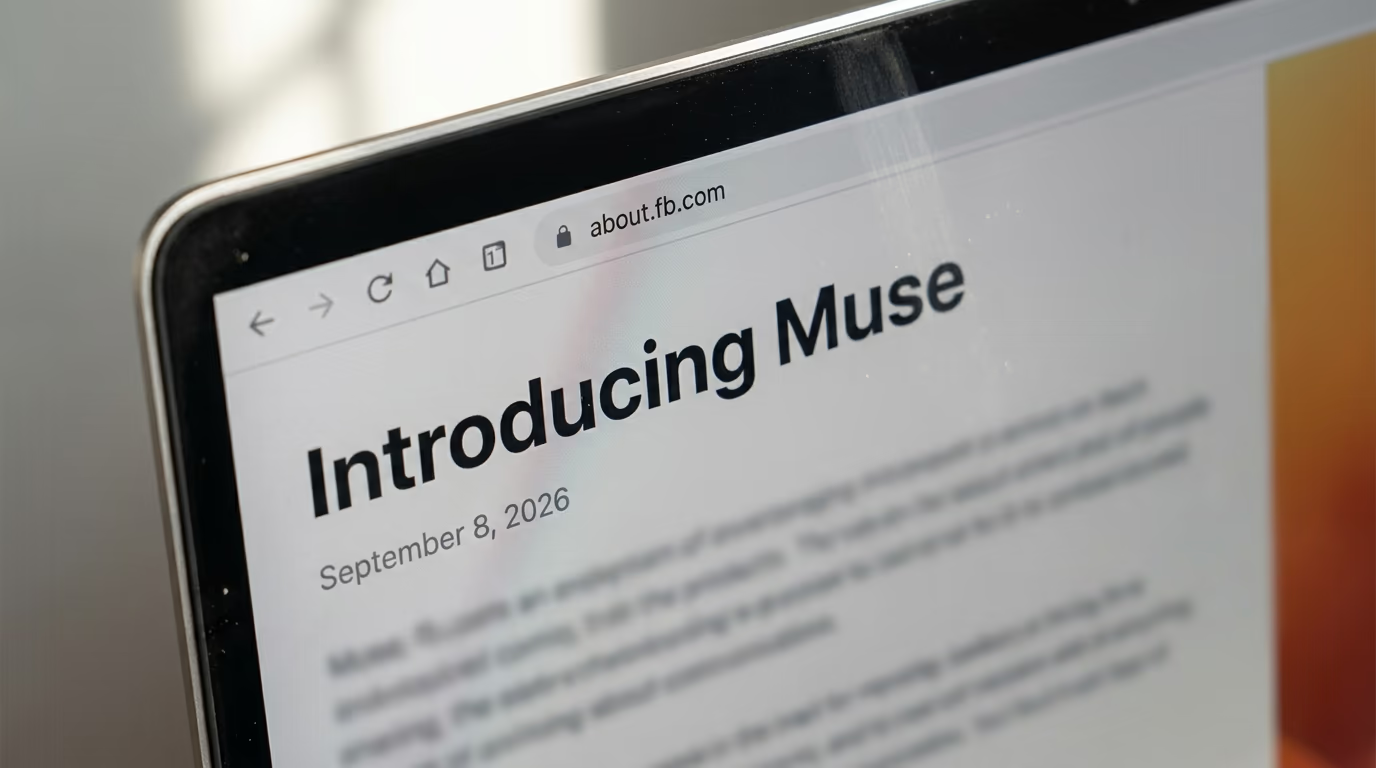
Meta Muse is a personal AI agent that runs on its own computer in Meta's cloud, opens its own browser, signs into the services you connect and then finishes errands for you, from booking a table to chasing an unpaid refund to buying something with your card. Meta announced it on 8 September 2026, it's free to start, TechCrunch reports 2 paid plans at $20 and $100 a month, and it runs in the United States only, on an app the App Store rates 18+.
Before any of that happens, Muse needs your accounts. Meta's own store screenshots show a connector list with Gmail, Google Calendar, Facebook, Instagram, OpenTable, Peloton and a finance connection handled through Plaid, and the agent gets more useful with every one you switch on. Everything below comes from Meta's announcement, from the 2 app listings I read this morning and from the reporting that filled the gaps, and every source is named in the sentence that uses it.
What is Meta Muse, and what can it actually do?
Meta Muse is an AI agent that does errands instead of answering questions about them. Meta's announcement says Muse "doesn't just answer questions, it actually does the work", and the things it lists are sending an email, booking travel, opening a browser, filling out forms, negotiating on your behalf and completing a checkout. It keeps running after you close the app and comes back, in Meta's phrasing, "when something changes or when it needs approval".
The App Store description is where the daily life shows up. It says Muse manages scheduling conflicts, books reservations and follows up with people so deadlines don't slip, tracks expenses, audits subscriptions, flags charges you forgot and cancels what you don't need, builds a workout or meal plan from data you choose to share, and compares prices and watches for drops so it can buy at the right moment with your approval. Meta sells the whole job rather than the answer, and the store copy says so explicitly, promising research, comparisons and bookings handled start to finish.
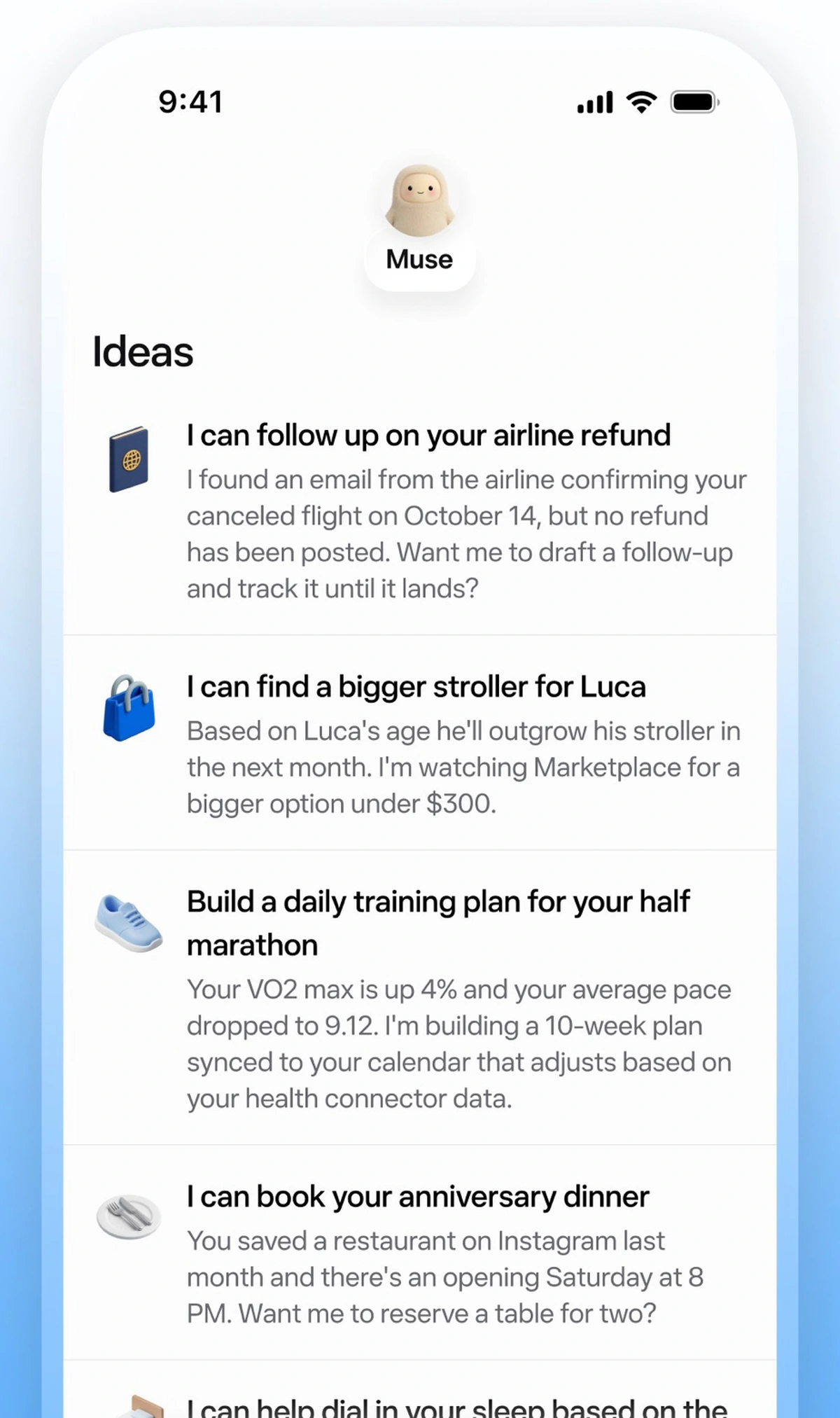
Meta's own screenshots show the shape of it better than any description does. One screen lists ideas the agent came up with without being asked, including following up on an airline refund it found in an email, watching Marketplace for a bigger stroller before a child outgrows the old one, and building a running plan from the health data it can see. Another shows it holding a seat map open in its own browser while it books cinema tickets, which is the difference between an assistant that drafts a message and an agent that clicks the buttons.
The listing also carries a warning written by Meta itself, that Muse "may be inaccurate or take unexpected actions, so check in to keep it on track and intervene as needed". That warning applies to every agent shipping this year, and it explains why the approval screens matter more than the launch video. If you have tried the free AI agents that already act on your behalf, you know the failure mode, because the model handles a long run of steps well and then gets one of them confidently wrong.
What does Meta Muse cost?
Muse is free to start, and TechCrunch reports 2 paid plans, Power at $20 a month and Maximum at $100 a month. Meta's own announcement names no price anywhere, saying only that Muse is free for most of what people need, with subscription plans for people who want to do more.
What the paid plans buy is usage rather than features, which is unusual for a consumer AI subscription. TechCrunch describes a meter inside the app showing how much of your allowance is left, and reports that Meta expects most people to stay on the free tier. SiliconANGLE puts a figure on that tier, up to 100 million tokens a week, which is a very large amount of reading and writing and still an unknown number of finished errands, because an agent clicking through a booking site reads whole pages to take a single step.
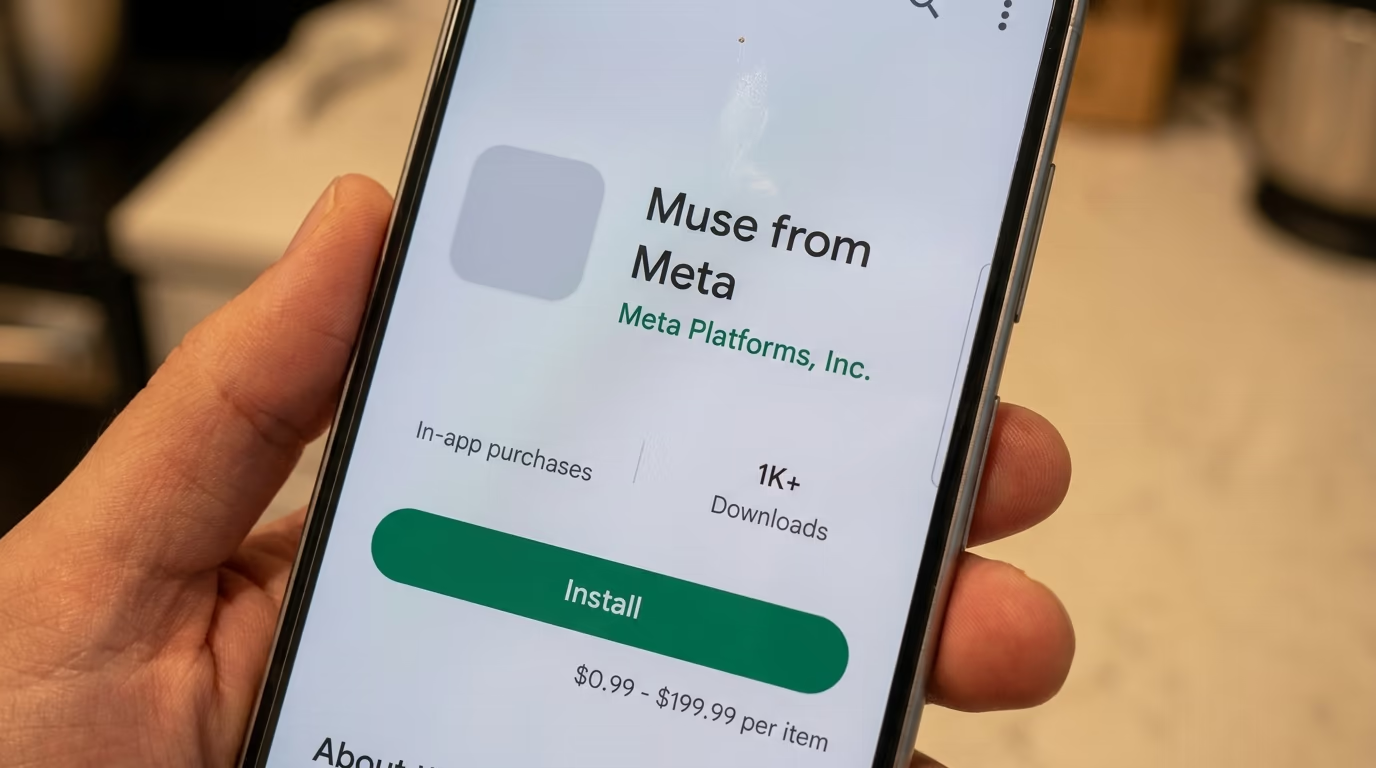
The 2 store listings don't settle the price either. The App Store shows only the label Free with in app purchases and publishes no amounts at all, and the Google Play listing advertises a range of in app purchases per item that doesn't line up with the 2 plans the reporting describes. Until Meta puts up a pricing page, those amounts are journalism rather than a published tariff, and a reader is entitled to say so.
The comparison people will actually make is with the subscription they already pay for, and that's where the meter matters. What a monthly AI subscription buys from Claude and ChatGPT is a bundle of models, apps and tools that you keep using whether you run one task a day or 40. With Muse, the reporting describes a tank of usage that empties as the agent works, which is a fairer way to price an agent and a much harder one to budget for.
Who can use Meta Muse today, and on what?
Muse runs in the United States only at launch, on iPhone, on Android, on the web at muse.ai and inside WhatsApp chats, with Meta's glasses named as coming later. The App Store listing rates the app for adults only, so nobody younger can install it, and the same listing carries Apple's advisory for unrestricted web access, which is the accurate label for software that browses the open internet on your behalf.
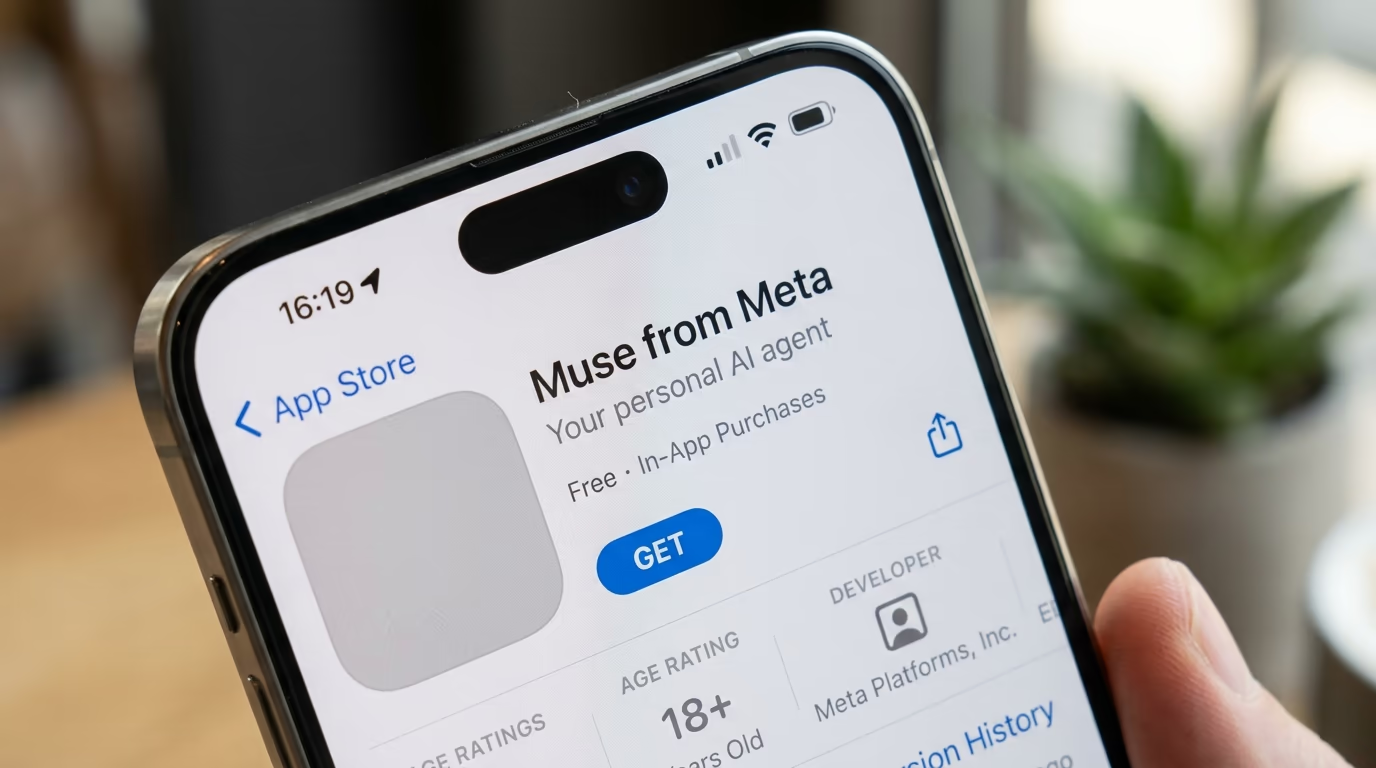
The listing also requires iOS 18 or later, so an older iPhone is out, and on Android the app is published as Muse from Meta by Meta Platforms with a download count that was still tiny when I read it this morning. That's what the first day of a rollout looks like, so ignore anybody telling you the whole country is already running an agent.
Opening muse.ai without a Meta session gets you nowhere. This morning the address redirected to a Meta sign in page and returned an error, so there's no public product tour and no pricing page for anybody outside the rollout to read. The app itself appeared on the App Store on 3 September, 5 days before Meta announced it, which is ordinary staging for a launch and also means the build you install today is days old rather than months tested.
What do you hand over before Muse can book anything?
Muse needs connections before it can do anything useful, and Meta's own screenshots name them, showing Gmail, Google Calendar, Facebook, Instagram, OpenTable, Peloton and a health service already connected, with finances offered through Plaid and a service called Function Health waiting to be switched on. The list is the product, because an agent with no access to your inbox and your calendar is a chat window with ambition.
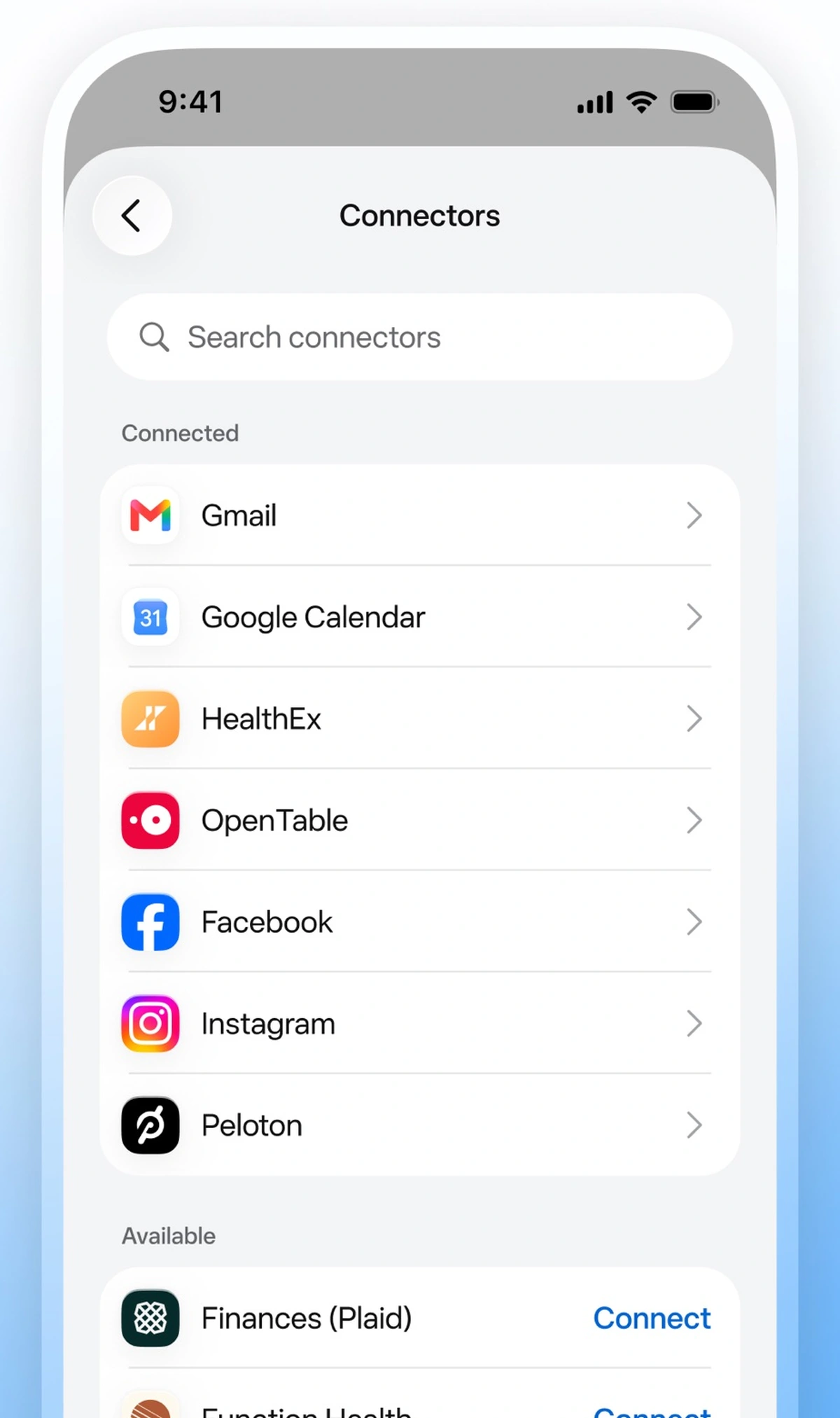
Meta's promise about credentials is specific, and it's the sentence to hold the company to. The announcement says Muse "has no visibility into people's passwords or payment methods", and that "any credentials a person shares go into secure storage, so Muse can use them without seeing them". The agent uses your login without ever holding it, which is the same idea your password manager already applies when it fills a form for you and never shows you the string.
Payment runs through Stripe rather than through Meta's own rails. Meta says the agent can check out with Link, built by Stripe, and SiliconANGLE reports that each purchase uses a single use virtual card number, so the merchant never ends up holding a card that can be charged again. Meta names 1Password for logins and Shop Pay for payments as connections still to come, which tells you the direction of travel, since both of those hold exactly the things you would least like an agent to leak.
You can revoke any connector whenever you want, the app keeps an activity log of what the agent did, and Meta says you can tell Muse to forget things it has learned and opt out of your interactions being used to train its models. Memory is what makes an agent useful on the second task rather than the first, and how agent memory actually works is worth understanding before you fill it with your calendar, your health data and your bank feed.
How does Meta stop an agent that holds your card?
Meta's answer is to give every person a separate computer in its cloud and put a second agent in front of the door. It calls the first one Muse Secure VM and the second one Sentinel, and both of them run for each user rather than being shared between customers.
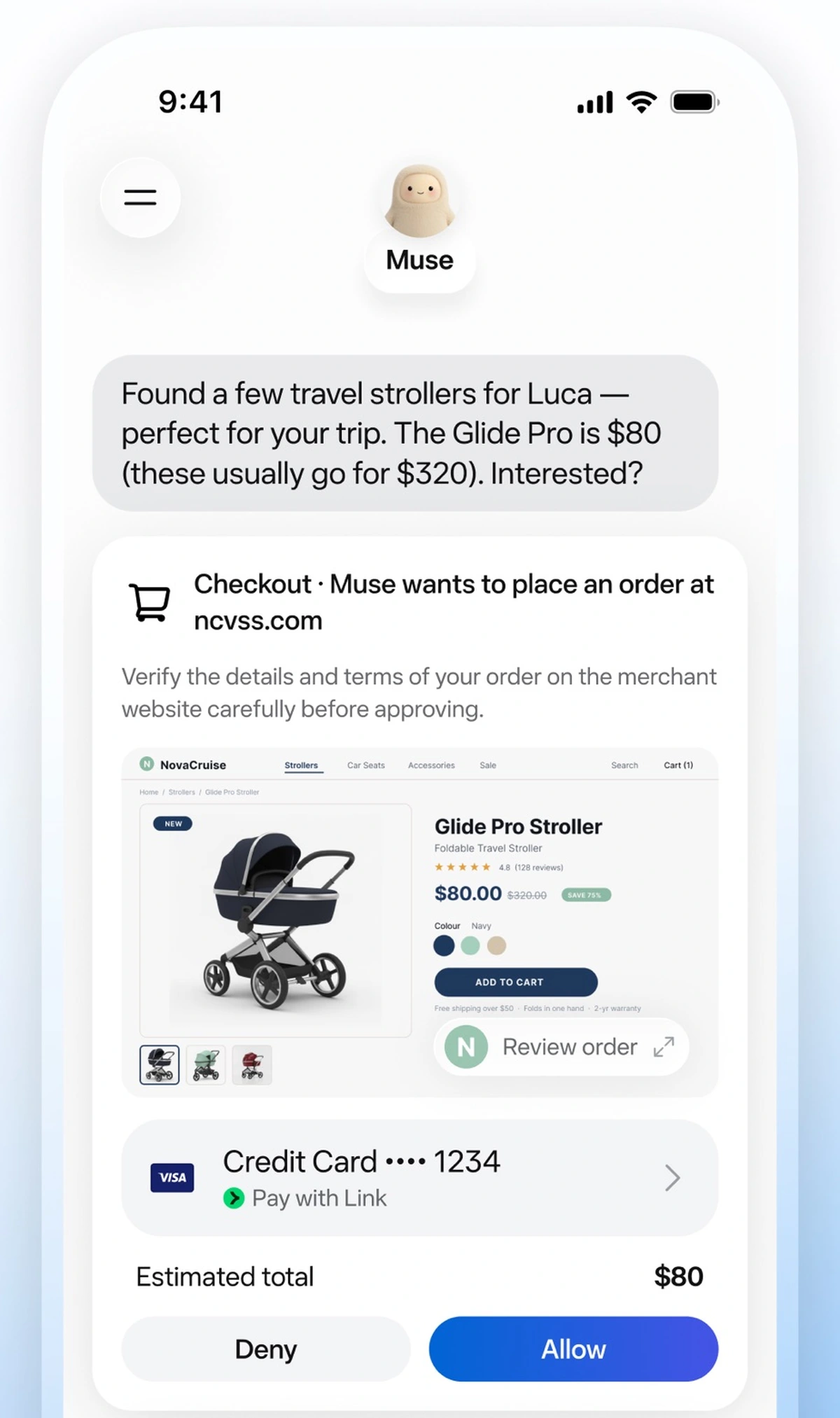
The announcement describes the design in plain language. Muse "runs on its own dedicated computer in the cloud, contained so no one else's agent can reach it", a separate Sentinel agent runs on that same machine, and "nothing Muse does reaches the internet unless the Sentinel approves it". Meta adds that Muse checks with you before sensitive actions like sending an email or making a purchase, and that a version where the whole machine is encrypted so that only you can open it is on the way.
The screenshots show what that looks like in your hand. Before a purchase the agent presents the merchant, the item, the card it intends to use and an estimated total, with Deny and Allow buttons and a line telling you to check the order on the merchant's site before approving. It reads like the confirmation screen of a payment app rather than a chat message, which is the right instinct for software that can move money.
The design exists because of a problem nobody has solved yet. An agent that reads the open web can be given instructions by the pages it reads, and a convincing page can tell it to do something its owner never asked for. Sentinel narrows what can leave the machine and the approval screen puts a person in front of the money, and neither of them removes the risk that the agent misreads a page and asks you to approve the wrong thing while you're half looking at your phone on a train.
Does Meta Muse feed your data to Meta's advertising?
Meta says the agent's conversations and the data inside your virtual machine never reach its advertising systems, and Apple's privacy label for the same app lists advertising by third parties among the purposes for data linked to your identity. Both statements can be true at once, and reading them together is the honest answer to the question.
The announcement is explicit on this point. It says Muse "doesn't share a person's conversations or the data in their VM with Meta's ad systems", and that you can change access, disconnect a service and opt out of your interactions being used to train Meta's models whenever you want. Those controls are the ones to check on the first evening, not the first time something surprises you.
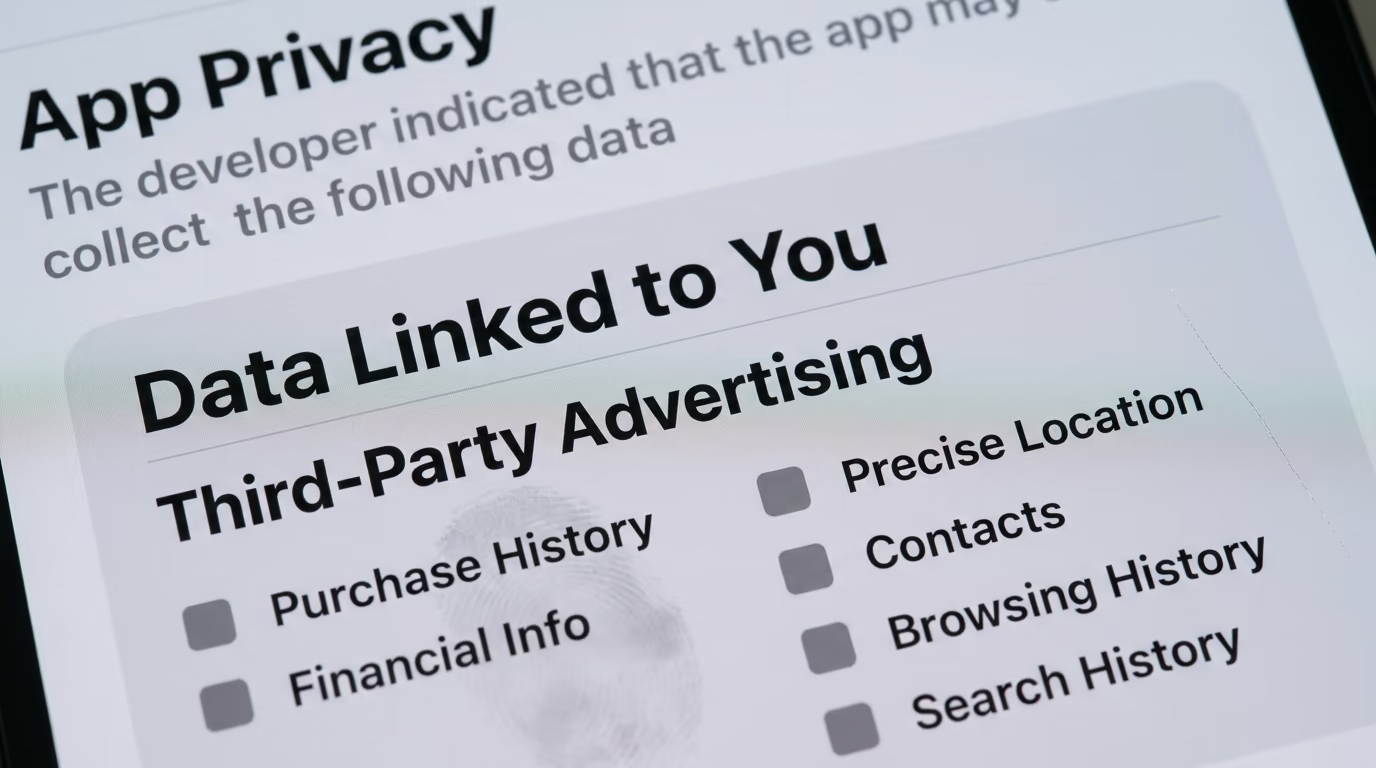
The App Store privacy label tells the other half, and it's written by Meta rather than by Apple, which states on the same page that it has not verified any of it. Under data linked to you, the purposes include advertising by third parties and Meta's own advertising or marketing, and the categories sitting under those purposes cover purchase history, other financial information, precise and coarse location, contact information, contacts, photos or videos, search history, browsing history, identifiers and usage data.
One detail lines up with what Meta promised, and it deserves a careful reading before anybody shouts. Emails and text messages appear in that label only under app functionality and product personalization, never under either advertising purpose. The promise covers your conversations with the agent and the contents of its machine, and it does not claim that using an app owned by an advertising company leaves no trace anywhere in that company.
How does Meta Muse compare with ChatGPT and Claude?
On price Muse lands in the same band as ChatGPT and Claude, and what differs is what the money buys, because Meta is selling an agent with its own browser and a payment method while the other 2 sell an assistant with tools attached to it. Here are the plans as the companies and the stores publish them today.
| Product | Free tier | Paid plans a month | Where that price comes from |
|---|---|---|---|
| Muse from Meta | Yes, with a weekly usage meter | Power $20, Maximum $100 | TechCrunch, 8 September 2026. Meta names no price, and Google Play lists in app purchases from $0.99 to $199.99 per item |
| ChatGPT | Yes | Go $8.00, Plus $19.99, Pro 5x $100.00, Pro 20x $200.00 | The App Store listing for ChatGPT, read 9 September 2026 |
| Claude | Yes | Pro $20 monthly, Max from $100 | The claude.com pricing page, read 9 September 2026 |
Claude's pricing page shows what a paid plan buys there, adding Claude Code, Cowork, Design and Science and the Chrome extension on top of higher usage, so paying adds tools as well as headroom. For Muse the reporting says the plans buy usage and nothing else, which makes the free tier the actual product and the subscriptions a meter for the heaviest users. That's a cleaner promise, and it also means you cannot know what you will spend until you have used it for a month.
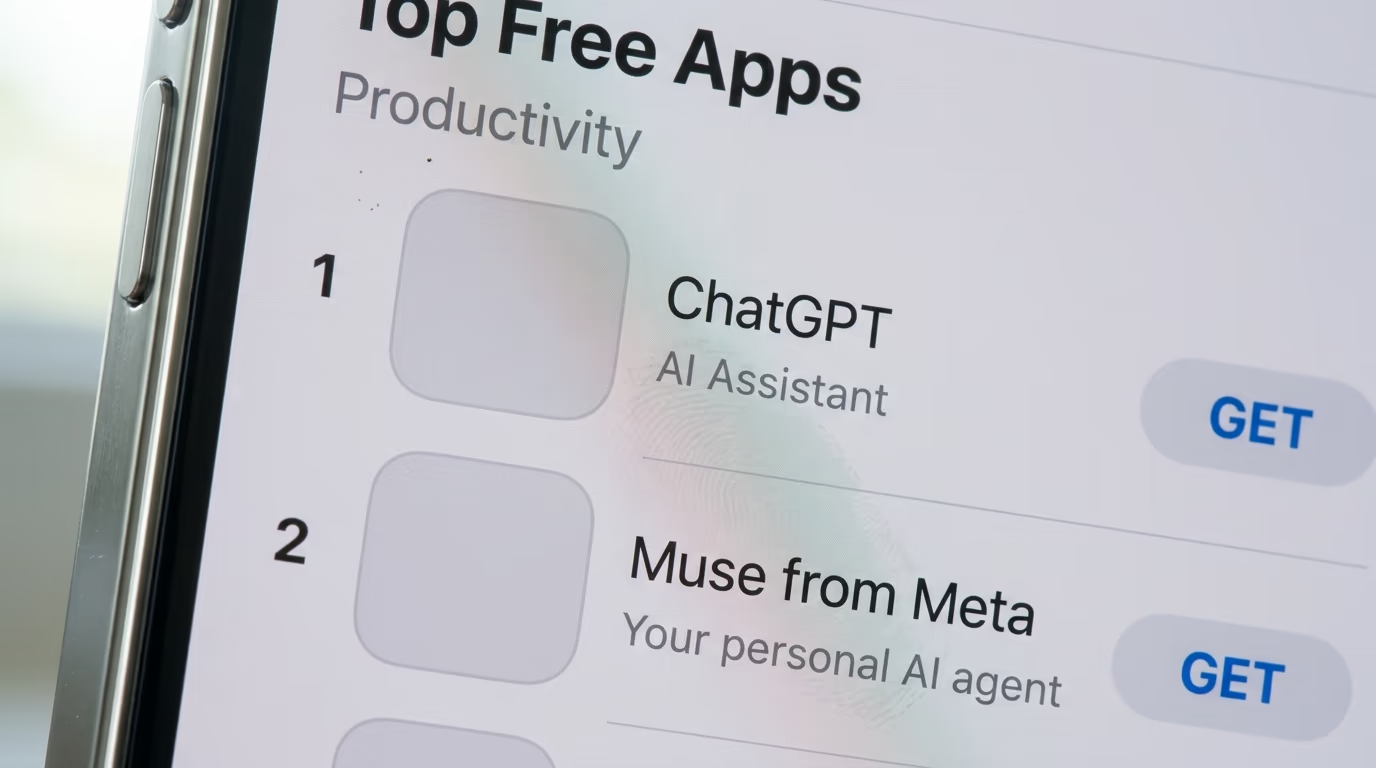
The App Store chart is the other comparison worth making, because ChatGPT sat at number 1 in the United States productivity ranking this morning with Muse at number 2 on its first full day. Meta says it designed Muse for billions of people and then launched it to one country with an adult rating, which is a sensible way to ship software that spends money. If a browser is what makes an agent useful, the AI browsers that already ship one are the closest thing anybody has to a fair comparison today.
What we do not know yet about Meta Muse
Several things about Muse are still unknown, and they are the ones that decide whether connecting your accounts is worth it. Nobody outside Meta can answer them this week, which is exactly why they belong in writing rather than in a footnote.
- The real price, since Meta's own page names none.
- What a week of the free allowance buys in finished errands.
- How often it finishes a task without a person stepping in.
- When it leaves the United States, and whether the adult rating travels.
The model behind it is closed, which matters for anybody hoping to run something like this themselves. Meta's April blog post introducing Muse Spark says the weights are closed and the interface was a private preview, so this is the opposite of the open weight models you can download and keep on your own machine. Muse Spark is also what already answers on meta.ai and in the Meta AI app, so the model underneath is not new even though the agent wrapped around it is.
There's no independent test of the thing that matters most either, which is how often the agent finishes a real errand without help. Meta's own listing warns that it may take unexpected actions, no reviewer has run it long enough to publish a completion rate, and the App Store showed no ratings at all when I checked this morning. Anybody quoting you a success rate for Muse this week is quoting nothing, and the first honest numbers will come from people who let it run for a fortnight.
What Meta Muse changes for you tonight
If you're in the United States and old enough to install it, Muse is free to try and the only decision that matters is which account you connect first. Connect the calendar before the card, hand it a task where a mistake costs an apology rather than money, and read the approval screens instead of tapping through them. The refund chase and the subscription audit are the safest first jobs, because both of them end in something you can check before anybody is charged.
If you're outside the United States there's nothing to install today, and the useful move is to watch what the first American users report about the errands it drops. An agent that gets a dinner booking wrong is one story, and an agent that buys the wrong item with a single use card is a very different one, and both will show up within days on the same forums that stress tested every agent before this one.
The wider change is simple enough to state. A company whose business is advertising now ships a free consumer app that holds your logins and pays with your card, in an app store where any adult in the United States can install it in a minute. That's why the privacy label and the approval screen deserve more of your attention this week than the feature list does.
Questions people ask
Is Meta Muse free?
Muse is free to start using today. Meta says it's free for most of what people need, and TechCrunch reports a meter inside the app showing how much of your weekly allowance is left. Paid plans exist for people who hand the agent more work than the free tier covers.
How much does Meta Muse cost a month?
TechCrunch reports 2 paid plans, Power at $20 a month and Maximum at $100 a month. Meta's own announcement names no price, and neither app listing publishes one, so treat those amounts as reporting until Meta puts up a pricing page of its own.
Can I use Meta Muse outside the United States?
Not today, because Muse launched in the United States only, on iPhone, Android, the web at muse.ai and inside WhatsApp chats. Meta says more countries will follow and has given no date, and opening muse.ai from elsewhere only reaches a Meta sign in page.
Can Muse spend my money without asking me first?
Meta says the agent checks with you before sensitive actions, including sending an email and making a purchase. Its own screenshots show a confirmation screen naming the merchant, the item, the card and the estimated total, with Deny and Allow buttons. Purchases run through Link, built by Stripe.
Does Meta Muse see my passwords?
Meta says the agent does not. The announcement states that Muse has no visibility into passwords or payment methods, and that any credentials you share go into secure storage the agent can use without seeing them. That is Meta's description of its own design, not the finding of an independent audit.
Is Meta Muse the same as the Meta AI app?
Muse and Meta AI are different apps. Muse is listed as Muse from Meta on the App Store and on Google Play, and it runs on Muse Spark, the model Meta introduced in April and already uses on meta.ai and inside the Meta AI app.
What can Meta Muse actually do for me?
Meta lists sending email, booking travel, filling out forms, negotiating on your behalf and completing a checkout. The App Store description adds tracking expenses, cancelling subscriptions you forgot about, building workout and meal plans, and watching prices so it can buy when something drops. Meta also warns that it may be inaccurate or take unexpected actions.